Monaco's Locals: Beyond Glamour, The Role of Government Support
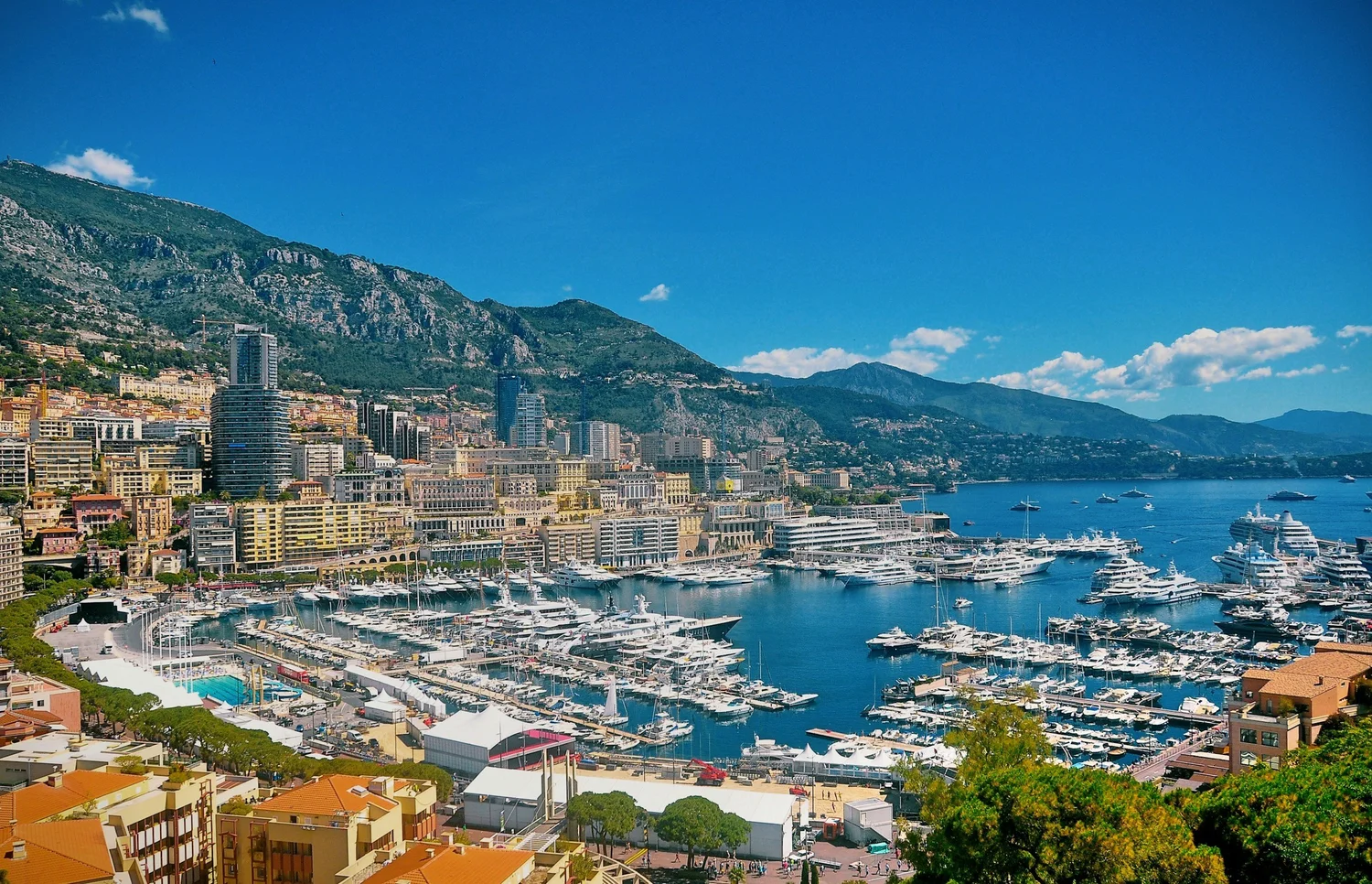
Monaco, the glittering jewel of the French Riviera, conjures images of superyachts, luxury casinos, and an endless parade of high-net-worth individuals. Its reputation as a playground for the ultrarich is well-deserved, but this glamorous facade often overshadows a crucial, lesser-known aspect of the principality: the daily lives of its native Monégasque citizens and the vital role of Monaco estado ajuda (Monaco state aid) in supporting them. Far from uniformly wealthy, many locals navigate a unique economic landscape, where government support is fundamental to maintaining a vibrant, native community amidst unparalleled opulence.
Dispelling the Myth: The Real Monégasque Experience
The common perception of Monaco as a nation of billionaires is largely inaccurate when it comes to its indigenous population. While the principality certainly attracts the world's wealthiest, many are foreign residents drawn by the favorable tax regime and exclusive lifestyle. The reality for native Monégasques can be strikingly different. Historical accounts suggest that a few decades ago, the economic status of most Monégasques was far from affluent. There isn't an inherent "culture of wealth" historically tied to the local population; rather, the current perception is largely shaped by the influx of rich immigrants and expats.
For many Monégasques, their income might be slightly above the average French worker's salary, but this modest advantage is often negated by the extraordinary cost of living. Rents and property prices are astronomically high, groceries are expensive, and the Riviera frequently experiences overcrowding, especially during peak seasons like the Formula 1 Grand Prix. This creates a challenging environment where locals, despite living in one of the world's most exclusive locations, can find themselves struggling to keep pace with the hyper-inflated economy. As one local sentiment expresses, it can be "depressing to see people throwing away sums of money on a daily basis that’ll be life-changing for me if I got it just once." This stark contrast highlights why government support is not just a luxury, but a necessity for the principality's native inhabitants.
How Monaco State Aid Supports Its Citizens
Understanding the unique pressures on its native population, the Monégasque government provides a comprehensive system of support, making Monaco estado ajuda a cornerstone of local life. These benefits are critical for enabling Monégasques to afford to live in their homeland and maintain a local identity within a globally diverse and economically stratified society.
- Housing Assistance: Perhaps the most significant form of support, the government actively manages a portfolio of state-owned properties (known as the "Domaine" properties) that are rented to eligible Monégasque citizens at significantly subsidized rates. This system is crucial in combating the principality's exorbitant open-market rental prices. Eligibility often depends on factors like employment status within Monaco, ensuring that those actively contributing to the local economy can secure affordable housing. Without such provisions, the vast majority of native Monégasques would be priced out of the housing market, leading to an exodus of the local population.
- Employment Opportunities: The government often prioritizes Monégasque citizens for certain public sector jobs and encourages private companies operating in the principality to offer preferential employment to locals. This policy aims to ensure stable employment and career progression for its citizens, helping them maintain a competitive edge in a highly competitive job market.
- Healthcare and Social Welfare: Monégasque citizens benefit from robust social security and healthcare systems. These services provide a safety net, ensuring access to quality medical care, retirement benefits, and various social allowances, which are vital in offsetting the high cost of living and healthcare services in the region.
- Education Subsidies: The government invests heavily in education for its citizens, from primary schooling through higher education. This includes subsidized tuition, scholarships, and support for educational programs, ensuring that Monégasque youth have access to excellent learning opportunities without incurring overwhelming debt.
- Cultural and Community Support: Beyond direct financial aid, the government also supports various cultural initiatives and community programs aimed at preserving Monégasque heritage and fostering a strong sense of national identity among its citizens.
These benefits collectively underscore the government's commitment to its native population, recognizing that without such interventions, Monaco risks losing its unique cultural fabric to the relentless tides of international wealth.
Navigating the High Cost of Living: A Local's Perspective
Even with substantial government backing, daily life for many Monégasques remains a delicate balancing act. The reference context highlights numerous challenges: "Higher rents, Higher house prices, Higher groceries prices, Crowded in summer." These are not minor inconveniences but significant financial burdens that state aid works to mitigate. While government-subsidized housing can alleviate the most crushing burden of rent, other costs of living remain elevated.
Shopping for daily necessities, dining out, or even simple entertainment can be considerably more expensive than in neighboring French towns. This often means that while Monégasques benefit from the security of government support, their disposable income might not stretch as far as one might imagine, especially when compared to the lavish spending of the super-rich residents. Understanding this distinction is key to appreciating Monegasque Life: How State Aid Helps Locals Afford Monaco. It's a continuous effort to make ends meet in a principality where luxury is the default setting. Practical advice for locals often involves seeking out local markets, less tourist-centric eateries, and taking advantage of community events rather than participating in the high-end consumerism that defines Monaco's international image.
It's also important to note that eligibility for certain government benefits, particularly housing, often requires active employment within Monaco. This means that if a Monégasque citizen is living solely off wealth (if they inherited a property, for example), they might still need to navigate the open market for housing, which remains prohibitively expensive. This intricate system ensures that government aid is channeled to those who genuinely need it and are contributing to the local workforce.
Preserving Monégasque Identity in a Global Hub
The role of Monaco estado ajuda extends beyond purely economic factors; it is intrinsically linked to the preservation of Monégasque identity. With a population where native Monégasques are a minority, and the majority are wealthy foreign residents, there's a constant effort to maintain the principality's unique cultural heritage. The context rightly points out that "there is no culture of wealth in Monaco, only rich immigrants that make it look like that." This distinction is crucial.
The government actively supports institutions that promote Monégasque language, history, and traditions. This includes funding for cultural events, historical preservation, and educational programs that teach the Monégasque dialect to younger generations. By ensuring that its citizens can afford to live, work, and thrive in their homeland, the government fosters a stable environment for cultural continuity. This means that despite the influx of diverse global influences, the core Monégasque spirit – characterized by a strong sense of community, tradition, and connection to the Grimaldi family – can endure. Locals, often seen away from the flashy tourist spots, form the backbone of Monaco's authentic social fabric, frequenting local markets, attending community gatherings, and contributing to the principality's everyday life.
Conclusion
Monaco is undoubtedly a land of extraordinary wealth and glamour, but beneath the surface lies a complex social structure where the lives of its native citizens are sustained by a robust system of government support. The concept of Monaco estado ajuda is not merely an afterthought but a critical mechanism that allows Monégasques to thrive amidst a cost of living that would otherwise be unsustainable. By providing essential benefits, from housing to healthcare and employment, the government ensures the continued presence and vitality of its local population, safeguarding their unique identity and cultural heritage against the overwhelming backdrop of international affluence. This delicate balance allows Monaco to retain its unique character, proving that even in the most glittering of nations, a strong sense of community and governmental care remain paramount.